 Hospice
and Hospital Ministries within the Catholic of
America include clergy members who have been called to this form
of ministry. Like any apostolate is an action "directed to
serving and evangelizing the world". In more general usage, an
apostolate is an association of persons dedicated to the
propagation of a religion or a doctrine.
Hospice
and Hospital Ministries within the Catholic of
America include clergy members who have been called to this form
of ministry. Like any apostolate is an action "directed to
serving and evangelizing the world". In more general usage, an
apostolate is an association of persons dedicated to the
propagation of a religion or a doctrine.
The word apostolate comes from the Greek word apostello, which means to "send forth" or "to dispatch". The Christian origin of the word comes from the twelve apostles who were selected by Christ; they had a "special vocation, a formal appointment of the Lord to a determined office, with connected authority and duties". An apostolate can be a Christian organization made up of the laity or of a specific Christian religious order or individuals. This apostate committed to ensuring that each person is provided the opportunity to die with dignity, in a manner as free from physical, emotional, and spiritual pain as possible. Our hospice ministers bridge the gap between life and death by being present, offering hope, and expanding knowledge through compassionate service to the community. Our hospice and hospital ministries clergy believe that every human being has the right to a quality care and end-of-life experience. The hospice chaplaincy, as an integral member of the hospice team they work with. The role of a hospice chaplain is crucial, as many people turn toward spirituality for comfort at the end of life, and the expert spiritual care and counsel that a chaplain provides is paramount in helping patients — and the caregivers, family, and friends who love them — find peace. By better understanding the role of the hospice chaplain, their goals for care, and how they provide that care, we can better understand the incredible level of spiritual support that every hospice patient is provided on the end-of-life journey.
First and foremost, the chaplain is
dedicated to providing the patient with care and spiritual
counsel that meets their needs and is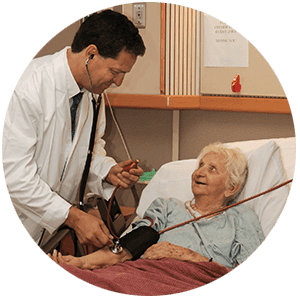 in accordance with that patient’s wishes. If a patient does not
wish to engage with a chaplain or any form of spiritual care, they do not have
to. It is entirely optional, and the patient can change their
mind at any time. Chaplains do not seek to convert patients or
bring them into the fold of a specific religion, but to instead
meet the patient where they are on their spiritual journey and
help the patient discover renewed meaning and spiritual peace.
Regardless of religion, creed, or culture, a chaplain’s purpose
is to provide patients with compassionate spiritual support and
counsel. Often and understandably, as a terminally-ill patient
approaches the end-of-life, powerful and complex emotions — such
as anger, depression, guilt — can begin to take root. Patients
can also begin questioning the meaning of life, their purpose,
and whether or not their life was of any value. The hospice
chaplain’s role is to help guide patients to a place of
spiritual health by helping them see the value of their life and
its positive impact. While the chaplain may not be able to
provide all of the answers a patient may seek, expressing these
emotions is healthy and having these conversations can help pave
the path toward healing.
in accordance with that patient’s wishes. If a patient does not
wish to engage with a chaplain or any form of spiritual care, they do not have
to. It is entirely optional, and the patient can change their
mind at any time. Chaplains do not seek to convert patients or
bring them into the fold of a specific religion, but to instead
meet the patient where they are on their spiritual journey and
help the patient discover renewed meaning and spiritual peace.
Regardless of religion, creed, or culture, a chaplain’s purpose
is to provide patients with compassionate spiritual support and
counsel. Often and understandably, as a terminally-ill patient
approaches the end-of-life, powerful and complex emotions — such
as anger, depression, guilt — can begin to take root. Patients
can also begin questioning the meaning of life, their purpose,
and whether or not their life was of any value. The hospice
chaplain’s role is to help guide patients to a place of
spiritual health by helping them see the value of their life and
its positive impact. While the chaplain may not be able to
provide all of the answers a patient may seek, expressing these
emotions is healthy and having these conversations can help pave
the path toward healing.
A hospital chaplain can mediate between patients, families and health care providers. This is particularly helpful when families need help understanding medical jargon, hospital procedures or making complex health care decisions. Ceremonies and rituals: Chaplains often perform religious rituals or ceremonies within the hospital, such as bedside prayers, baptisms or end-of-life rituals. They ensure patients’ spiritual needs are respected and met during delicate moments. Crisis intervention and emotional support: When patients or their families receive difficult news — such as a terminal diagnosis or unexpected complication — chaplains are called to provide immediate emotional support. They offer a calming presence, helping patients and families deal with grief, fear and uncertainty. Family and staff counseling: Chaplains serve patients and offer emotional and spiritual support to families struggling to understand a loved one’s condition. In addition, chaplains support hospital staff, who may experience high stress levels and burnout due to patient care demands. Spiritual counseling and guidance: Hospital chaplains provide one-on-one spiritual support to patients of all faiths and beliefs, helping them process complex emotions and find comfort. They may lead prayers, offer religious guidance or simply be a compassionate listener for those seeking peace. Hospital chaplains' duties and responsibilities demonstrate the importance of promoting holistic patient care to help patients heal physically, mentally and emotionally.
One of the unique aspects of being a hospital chaplain is the close collaboration with medical teams. Chaplains meet with doctors, nurses, social workers and other health care professionals to ensure patients’ emotional and spiritual needs are met. They often participate in team meetings to offer insights into patients’ emotional health and provide recommendations for improving overall care.
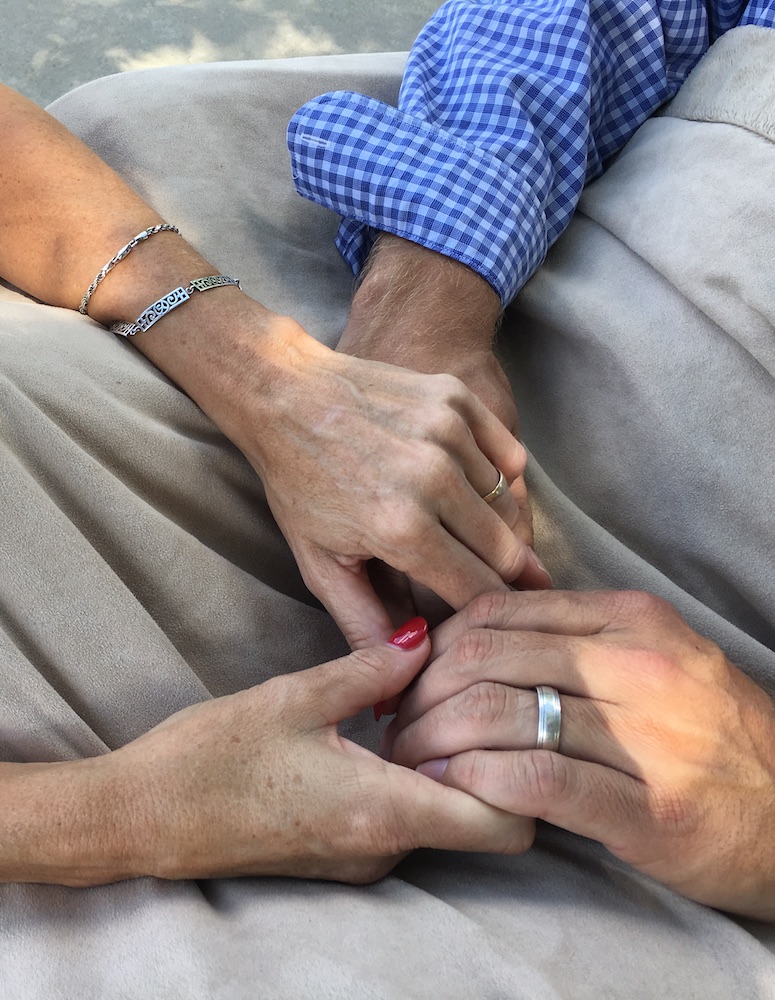
A cornerstone of the hospice philosophy of care is that no one should be alone at the end of life. No matter the time of day or night, the hospice team, including the hospice chaplain, is dedicated to ensuring that no patient dies alone and that each patient is surrounded by comforting, compassionate friends at the end of life. A healthy spiritual outlook is intimately connected to a patient’s overall sense of well-being. Multiple studies show that patients who define themselves as having a more balanced and positive sense of spirituality report higher levels of positivity, lower levels of pain, and a generally higher level of comfort at the end of life. By providing compassionate spiritual support, the hospice chaplain helps patients achieve not only greater comfort spiritually, but physically, emotionally, and mentally as well.
 Chaplains, as
spiritual experts, understand the intimate relationships between
religion, spirituality, and culture, and how those aspects of a
patient’s life shapes their relationship with the end-of-life
journey. From this vast array of spiritual knowledge, chaplains
can help patients find the rituals, prayers, and other spiritual
coping practices that help instill a sense of peace and offer
the greatest comfort. A patient’s spiritual and cultural beliefs
can have a large impact on the type of care they wish to
receive. Certain medications, care practices, and specific forms
of therapeutic care may be rejected by the patient should it
conflict with their religious, cultural, or spiritual beliefs.
Hospice chaplains help the hospice care team understand why and
how certain aspects of the care plan may need to be adjusted to
ensure that the care a patient receives is in alignment with
that patient’s preferences.
Chaplains, as
spiritual experts, understand the intimate relationships between
religion, spirituality, and culture, and how those aspects of a
patient’s life shapes their relationship with the end-of-life
journey. From this vast array of spiritual knowledge, chaplains
can help patients find the rituals, prayers, and other spiritual
coping practices that help instill a sense of peace and offer
the greatest comfort. A patient’s spiritual and cultural beliefs
can have a large impact on the type of care they wish to
receive. Certain medications, care practices, and specific forms
of therapeutic care may be rejected by the patient should it
conflict with their religious, cultural, or spiritual beliefs.
Hospice chaplains help the hospice care team understand why and
how certain aspects of the care plan may need to be adjusted to
ensure that the care a patient receives is in alignment with
that patient’s preferences.
| © ® 2000 - 2025 All intellectual property rights of this website are copyrighted and owned by Florentino C. Factor. Items provided on this website may be downloaded for personal use only. Catholic Church of America, 4135 Iowa Street, #9, North San Diego, California 92104 858-522-0072 |